
A groundbreaking proposal is gaining traction in Riau, Indonesia, advocating for the transformation of a long-stalled coal-fired power plant (PLTU) into a dynamic source of clean and affordable electricity. This innovative plan suggests repurposing the idle PLTU Koto Ringin, located in Siak Regency, by converting it into a hybrid renewable energy facility. Analysis conducted by Walhi Riau in collaboration with CERAH indicates that this strategic shift would be significantly more economical than either rebuilding the existing coal plant or allowing it to remain a dormant, costly relic.
The PLTU Koto Ringin project embarked on its journey in Siak Regency, Riau, back in 2007. Designed to deliver 3×2 megawatts (MW) of power, its construction, however, abruptly ceased in 2009. At the time of its halt, the physical progress had only reached 72.68 percent. For nearly two decades since then, this ambitious project has remained a stalled asset, representing a considerable financial burden and a missed opportunity for regional development. Its prolonged inactivity has prompted calls for a definitive solution to its future.
Despite lying abandoned for almost two decades, the stalled Riau power plant still possesses significant economic potential, which can be unlocked through its transformation into a hybrid power generation facility. The proposed solution involves integrating various renewable energy technologies: a robust solar photovoltaic (PLTS) system, complemented by a sophisticated battery energy storage system (BESS), and a compact mini-hydro power plant (PLTM). This synergistic combination aims to maximize energy generation efficiency and ensure a stable, reliable power supply for the region.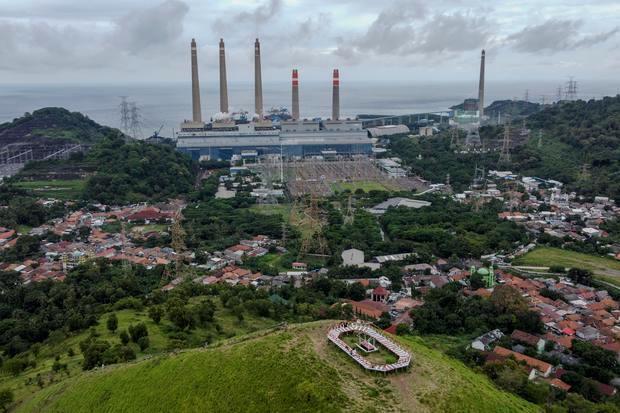
Dwiki Mahendra, a Policy Strategist at CERAH, emphasized that this innovative proposal aligns perfectly with the Indonesian government’s ambitious targets to dramatically increase its renewable energy capacity. A key component of this national strategy is the development of 100 GW of solar PV capacity across the archipelago. The repurposing of non-productive assets like the PLTU Koto Ringin offers a pragmatic pathway to achieving these goals while simultaneously addressing the issue of stranded infrastructure investments.
“Indonesia urgently requires diverse strategies capable of simultaneously curbing investment costs and enhancing project appeal for potential investors,” Dwiki stated, as quoted from an official statement on Friday, July 24, 2026. “The repurposing of non-productive PLTU facilities presents a viable and compelling option.” This perspective underscores the pressing need for creative solutions to accelerate the nation’s energy transition and foster sustainable economic growth.
The Siak Regency boasts considerable solar energy potential, making it an ideal location for such a transformation. Data from Global Horizontal Irradiation reveals that the region experiences solar irradiance ranging from 1,580 to 1,657 kWh/m²/year. This abundant resource is estimated to support the construction of a solar PV plant with a capacity of 19.5 MW, operating at a capacity factor between 18% and 18.9%. Such a foundational solar capacity provides a strong base for the proposed hybrid system.
When fully operational, the proposed hybrid power plant, incorporating a 19.5 MW solar PV system, a 45 MW BESS, and a 2 MW mini-hydro component, is projected to generate electricity at a highly competitive price point of Rp 1,135–1,326 per kWh. This figure represents a significant reduction compared to the estimated electricity tariffs if the coal-fired power plant were to be maintained, which stand at Rp 1,529–1,628 per kWh. Even more notably, it is substantially lower than the costs associated with implementing co-firing technology, which would range from Rp 1,704–1,902 per kWh.
Beyond the immediate cost savings, the financial viability of this renewable energy transformation is compelling. Dwiki highlighted that the project is expected to yield a competitive return on investment (ROI) of 10.2 percent. Furthermore, the capital development period is projected to be faster, estimated at 9.3 years, compared to the prolonged and less efficient timeline associated with maintaining the existing coal-fired power plant. These figures underscore the robust economic case for transitioning to cleaner energy.
The benefits of this hybrid scheme extend far beyond financial gains. Dwiki also pointed out that this approach would significantly contribute to increasing Indonesia’s renewable energy mix, a critical step towards diversifying the national energy portfolio. Crucially, the transformation would lead to a substantial reduction in greenhouse gas emissions, helping Indonesia meet its climate commitments. Moreover, this shift towards sustainable energy sources would open up new revenue opportunities through carbon trading, further enhancing the project’s economic attractiveness and environmental impact.
Ahlul Fadli, Advocacy and Campaign Manager for Walhi Riau, emphasized the current status of the PLTU Koto Ringin project, which involved an initial investment of Rp 143.67 billion. He asserted that the project no longer qualifies as a fixed asset because it is unusable and fails to provide any economic benefit. Allowing the project to remain idle would only exacerbate losses, widening the gap between the initial investment and the rapidly diminishing value of the remaining assets, which are deteriorating over time.
Observations made by Walhi Riau last year revealed the dire state of the plant’s critical components. “From our monitoring last year, essential equipment such as the boiler, turbine, generator, pumps, and water tanks have rusted significantly and are no longer fit for purpose,” Ahlul stated. This widespread degradation highlights the impracticality and immense cost associated with attempting to salvage the existing coal-fired infrastructure, making the case for a complete paradigm shift even stronger.
Conversely, attempting to revive the PLTU Koto Ringin as a coal-fired plant would incur costs almost equivalent to constructing an entirely new facility. Ahlul estimated that “the revitalization of PLTU Koto Ringin would likely reach 80-90 percent of the cost of building a new PLTU, approximately Rp 198 billion to Rp 222.75 billion.” This substantial expenditure would be further inflated if biomass co-firing technology (5-20%) were integrated, pushing the total cost to Rp 241 billion to Rp 312 billion.
Beyond the prohibitive financial implications, Ahlul stressed that continuing the PLTU project would directly contradict Indonesia’s steadfast commitment to reducing carbon emissions and accelerating its energy transition. Pursuing a coal-based pathway, even with co-firing, would undermine national and international climate goals. This makes the proposed renewable energy transformation not just an economic imperative but also a crucial step towards environmental responsibility.
Furthermore, if the project were to proceed with co-firing, it is deemed unlikely to substantially reduce the nation’s dependence on coal. Instead, it could inadvertently create new environmental problems. There is a significant risk that relying on biomass, particularly palm biomass, for co-firing could trigger increased deforestation to meet the demand for raw materials. This highlights a critical flaw in co-firing as a sustainable solution and reinforces the need for truly clean alternatives like solar and mini-hydro.
The comprehensive proposal for transforming the stalled coal power plant into a hybrid renewable energy facility has already been submitted by Walhi Riau and CERAH to the local government. A significant challenge for the government now lies in establishing robust institutional frameworks for managing this new era of renewable energy. Two primary options are being considered for this management structure: a community-based approach through BUMDes Energi or cooperatives, or a larger industrial estate scale involving BUMD (Regional Owned Enterprises).
A key aspect of the implementation strategy is ensuring that the benefits are distributed equitably among local communities. “With mechanisms for distributing benefits to surrounding communities through priority for local labor and capacity-building programs,” Ahlul explained. This community-centric approach aims to foster local ownership and ensure that the transition to clean energy also drives socio-economic development. Additionally, PLN, the state-owned electricity company, is expected to continue its role as the offtaker, purchasing electricity if local consumption is not yet fully optimized, thereby guaranteeing market stability for the new power generation.


