
Operations at the Martabe gold mine and construction of the Batang Toru Hydropower Plant (PLTA Batang Toru) in South Tapanuli have returned to normal. This resumption occurs even as crucial re-environmental audits, initiated after a major flood and landslide disaster, are still underway. The situation raises questions regarding the continued operation of these significant projects amidst ongoing environmental scrutiny.
Nety Widayati, Director of Environmental Impact Prevention for Business and Activities at the Ministry of Environment and Forestry (KLH), clarified the basis for these continued operations. She explained that both the operational activities and the construction work for these two ventures were permitted to proceed because they still possess valid environmental approvals. “They were not revoked, only an audit was ordered,” Nety stated when met in Jakarta on Tuesday, July 21, 2026.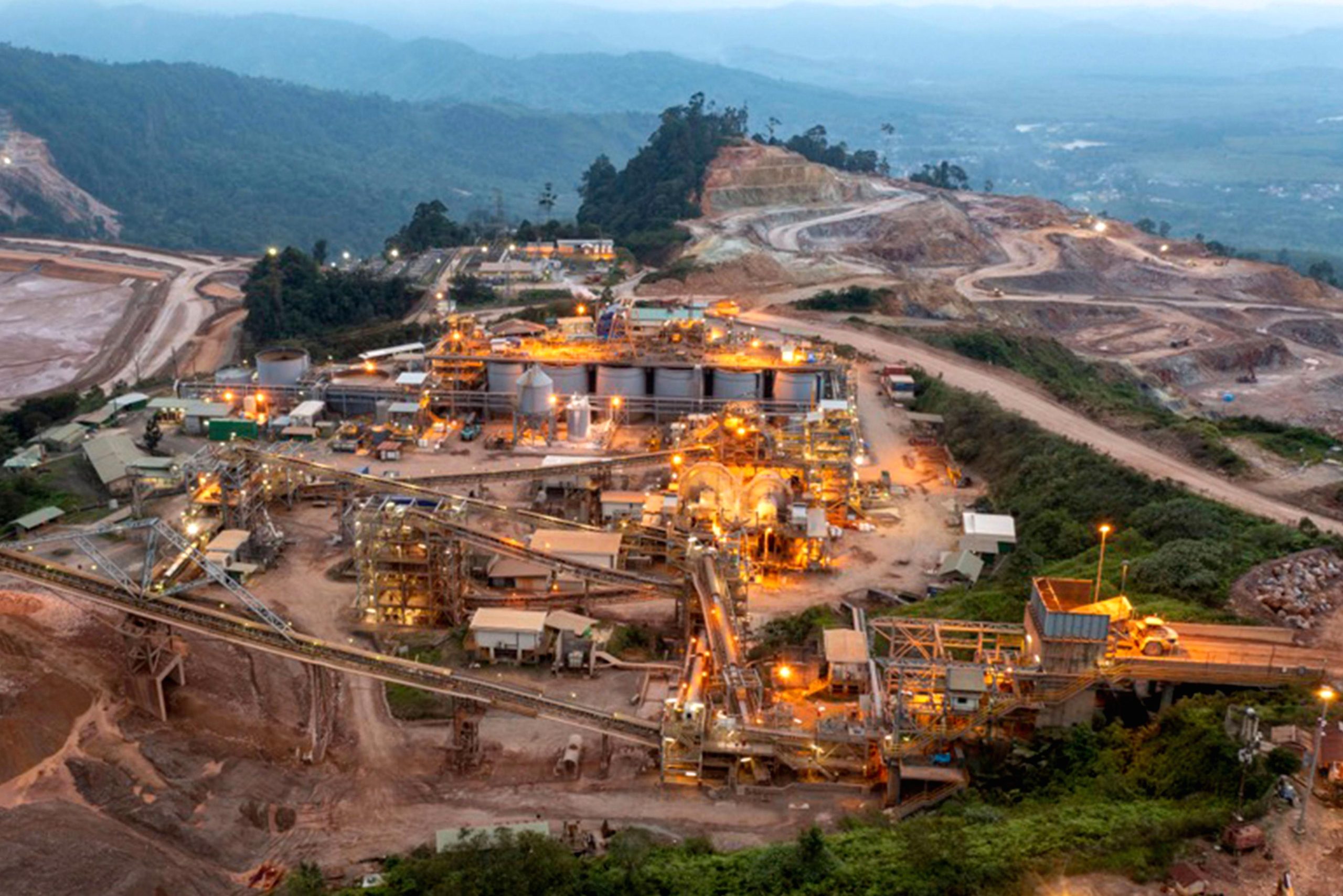
The distinction between various types of permits is crucial for understanding this decision. Nety elaborated that her ministry holds the authority to grant and revoke environmental approvals, which are foundational documents assessing potential ecological impacts. In contrast, the issuance and revocation of operational permits for these companies fall under the purview of the Ministry of Energy and Mineral Resources (ESDM). An Environmental Impact Assessment (AMDAL), which leads to environmental approval, is a mandatory prerequisite for obtaining a business permit. Since the environmental approvals were never officially rescinded, the pathway for these projects to resume their activities remained open, even with the subsequent mandate for a thorough audit.
The projects at the heart of this discussion are pivotal to the region. The Martabe gold mine, a substantial industrial undertaking in South Tapanuli, is managed by PT Agincourt Resources. This company operates as a subsidiary of United Tractors (UNTR), which itself is a vital component of the larger Astra Group conglomerate. The Martabe gold mine stands as one of Indonesia’s largest gold mines, playing a significant role in the nation’s mineral extraction sector and contributing substantially to the local economy through employment and resource generation.
Equally significant is the PLTA Batang Toru, a colossal hydroelectric power plant that holds the distinction of being the largest hydropower plant in Sumatra. This ambitious project is being developed by PT North Sumatera Hydro Energy (NSHE), a joint venture formed between Indonesia’s state-owned electricity company, PLN, and various international partners. Among these foreign collaborators is the prominent Chinese state-owned enterprise, SDIC Power Holdings, which holds its stake through an indirect investment channel. The Batang Toru plant is designed to provide crucial renewable energy, supporting the growing power demands of the island and contributing to Indonesia’s energy security objectives.
The Fate of Companies Following Sumatra’s Disaster
The current situation for these projects is set against a backdrop of a severe natural calamity that struck North Sumatra earlier this year. In late January 2026, President Prabowo Subianto made a significant announcement, declaring the revocation of permits for 28 companies operating in North Sumatra. This decisive action was a direct consequence of widespread and devastating floods and landslides that had ravaged the region, causing immense environmental damage and significant disruption to local communities. Among the companies explicitly named in this sweeping directive were PT Agincourt Resources, the operator of the Martabe gold mine, and NSHE, the developer behind the Batang Toru Hydropower Plant.
However, the government’s initial firm stance underwent a period of reconsideration. Following the widespread revocations, a wave of protests and concerns emerged from the industrial sector, highlighting potential economic ramifications and legal complexities. In response to this feedback and acknowledging the intricate nature of these large-scale investments, the government later indicated its intention to re-evaluate the decision. This led to the Ministry of Environment and Forestry (KLH) initiating a process to address requests for comprehensive re-environmental audits for several affected companies, including both NSHE and Agincourt, as a step towards a more nuanced resolution.
Beyond the administrative review through environmental audits, the Ministry of Environment and Forestry also pursued legal avenues to address the ecological fallout from the disaster. The KLH actively processed and filed civil lawsuits seeking compensation for the extensive environmental damage inflicted across North Sumatra. These lawsuits targeted at least six companies, including the prominent entities of Agincourt and NSHE, with the cumulative value of the compensation claims reaching a staggering total of Rp 4.8 trillion. This legal action underscored the government’s commitment to holding corporations accountable for their environmental responsibilities and the broader ecological impact of their operations.
Court records subsequently revealed that the civil lawsuits brought against Agincourt and NSHE ultimately concluded through peaceful settlement agreements. This outcome suggests that the companies engaged in negotiations with the government to resolve the claims outside of protracted litigation. Hanif Faisol Nurofiq, who served as the Minister of Environment and Forestry at the time, had previously indicated that the companies involved expressed a willingness to make payments. However, specific details regarding whether the final amounts agreed upon aligned precisely with the government’s initial demands or differed were not publicly disclosed, maintaining a level of confidentiality around the settlement terms.
It is important to note that the retention of environmental approvals was not exclusive to Agincourt and NSHE. Nety Widayati confirmed that all companies that were subject to civil lawsuits by the Ministry of Environment and Forestry continue to hold their respective environmental approvals. Furthermore, each of these entities is currently undergoing the mandated re-environmental audit process. This collective approach indicates a systematic review across multiple sectors impacted by the disaster, ensuring that a consistent framework of environmental scrutiny is applied to all involved parties. The other companies named in these civil lawsuits, alongside Agincourt and NSHE, include PT Perkebunan Nusantara IV, PT Toba Pulp Lestari, PT Multi Sibolga Timber, and PT Tri Bahtera Srikandi (TBS), reflecting a broad scope of industries under review.
How Re-Environmental Audits Shape Corporate Futures
The ongoing re-environmental audits are not merely procedural exercises; they are instrumental in determining the future operational parameters and environmental compliance requirements for these companies. Sigit Reliantoro, Deputy for Environmental Spatial Planning and Sustainable Natural Resources at the Ministry of Environment and Forestry, provided insight into the critical function of these audits. He explained that the findings and conclusions derived from these comprehensive environmental assessments will form the basis for a series of recommendations. These recommendations are specifically designed to enhance and rectify any deficiencies or areas for improvement identified within the companies’ existing environmental approval documents.
The scope of these recommendations can be far-reaching and impactful, potentially dictating significant changes to how these projects operate. Sigit indicated that the audit outcomes might include directives such as prohibiting certain activities in specific, ecologically sensitive locations. Other recommendations could involve the minimization of particular operations to reduce their environmental footprint, or the implementation of extensive restoration efforts in areas that have sustained damage. The overarching concept, as he explained, remains consistent: to ensure that future operations are conducted with heightened environmental responsibility and in adherence to updated ecological standards. This adaptive approach aims to prevent recurrence of environmental issues while allowing essential economic activities to continue under stricter guidelines.
Currently, the entire process of these crucial re-environmental audits remains in progress across all affected companies. “None of them have been completed yet (environmental audit),” Sigit stated, highlighting the extensive nature and meticulous detail involved in such assessments. He further emphasized the ministry’s proactive role in this phase, adding, “So that’s what we’re pushing the auditors to complete.” This ongoing pressure from the KLH underscores the urgency and importance placed on these audits, as their conclusions will ultimately provide the definitive framework for the long-term environmental management and operational viability of these significant projects in South Tapanuli and the broader North Sumatra region. The full implications of these audits will only become clear once their findings are finalized and the subsequent recommendations are implemented, shaping the environmental landscape for years to come.


